
Large cleanup projects often begin with a clear goal but quickly become difficult once debris starts to accumulate. Home renovations, commercial build-outs, and full property cleanouts all create waste that must be handled efficiently to keep work moving forward. Without a structured approach, cleanup can slow timelines, create safety issues, and add unnecessary stress.
To avoid those problems, many property owners rely on a dumpster rental service to keep waste contained and organized from start to finish. Instead of managing multiple trips to disposal facilities or guessing how to handle debris, this approach provides a centralized solution that supports the entire project.
This article explains what is typically included with a professional rental and how the experience works from delivery through removal. By understanding how the dumpster rental process is designed to function, planning becomes easier, costs stay predictable, and cleanup feels far more manageable.
A professional rental includes more than simply dropping off a container. The service is structured to manage waste safely, efficiently, and in compliance with local regulations.
At a basic level, the rental covers container delivery, a defined usage period, and scheduled removal once the project is complete. Disposal or recycling at licensed facilities is also part of the service, ensuring debris is handled responsibly.
Most rentals include:
These inclusions reduce the need for repeated disposal trips and help prevent improper dumping.
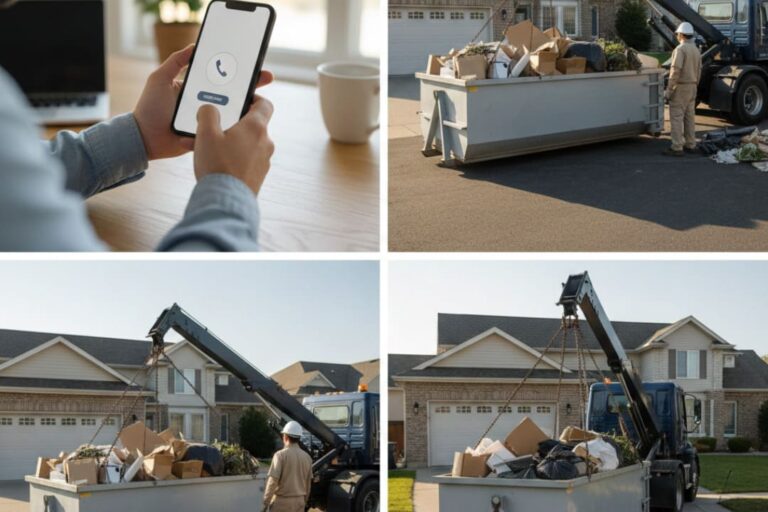
The dumpster rental process follows a clear and predictable sequence that helps customers avoid delays or unexpected charges.
It begins by selecting the appropriate container size based on the type and volume of debris. Once the size is chosen, delivery is scheduled and a placement area is identified. During the project, waste is added as needed. When work is finished, pickup is arranged and the debris is transported for proper disposal.
Following the dumpster rental process step by step ensures the container is used correctly, removed on time, and handled in compliance with local guidelines.
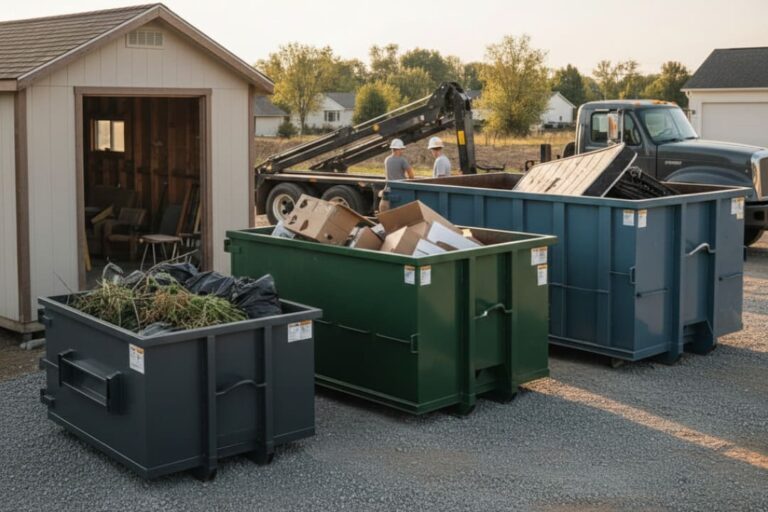
Selecting the correct container size plays a major role in keeping a project efficient. A size that is too small may lead to overflow, while one that is too large can result in unnecessary costs.
Smaller containers are often used for residential cleanouts or minor renovations. Larger options are better suited for roofing projects, construction work, or commercial renovations. Estimating debris volume ahead of time helps avoid disruptions.
Key factors to consider include:
Choosing the right size early keeps projects on track and prevents avoidable issues.
Every rental comes with clear guidelines on acceptable and restricted materials. These rules exist to protect disposal facilities and meet environmental standards.
Commonly accepted items include household debris, wood, drywall, yard waste, and non-hazardous construction materials. Certain items are restricted due to safety or environmental concerns.
Restricted materials often include:
Understanding these guidelines ahead of time helps prevent additional fees and delays.
Where the container is placed can affect both accessibility and compliance. When positioned on private property, permits are often unnecessary. However, containers placed on public streets or sidewalks may require local approval.
Providers can help determine whether permits are needed and advise on proper placement. Ensuring clear access for dumpster delivery and pickup helps prevent scheduling issues and protects surrounding property.
Local considerations may include:
Addressing these details early keeps the rental experience smooth.
Weight limits are a key factor in rental pricing. Each container includes a maximum allowance, and exceeding it can lead to additional charges.
Pricing typically depends on container size, rental duration, debris type, and disposal costs. Heavier materials reach weight limits more quickly, making planning especially important.
Clear pricing structures help customers understand what’s included and how dumpster delivery and pickup factor into overall costs.
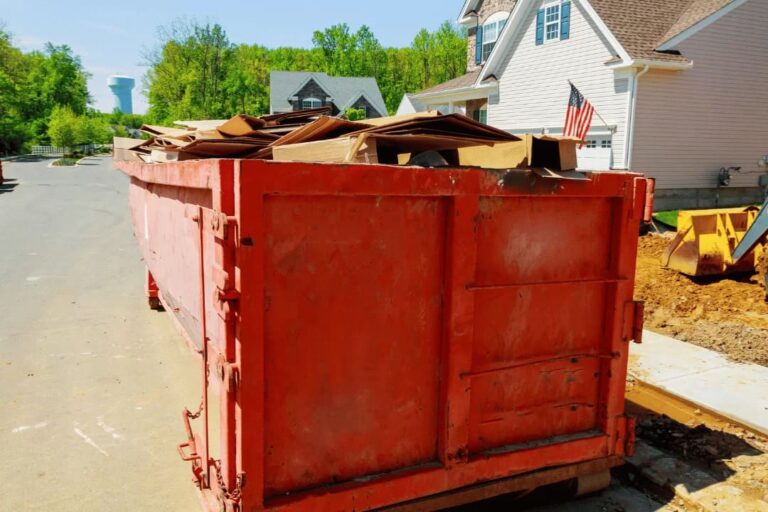
Dumpster rentals are used in both residential and commercial settings, but the needs differ. Homeowners often prioritize convenience and flexible timelines, while commercial projects focus on efficiency and capacity.
A typical dumpster rental for residential use supports cleanouts, remodeling, or landscaping projects. Commercial rentals are commonly used for construction sites, renovations, and ongoing waste management needs.
Understanding these differences helps customers select the most appropriate option for their project.
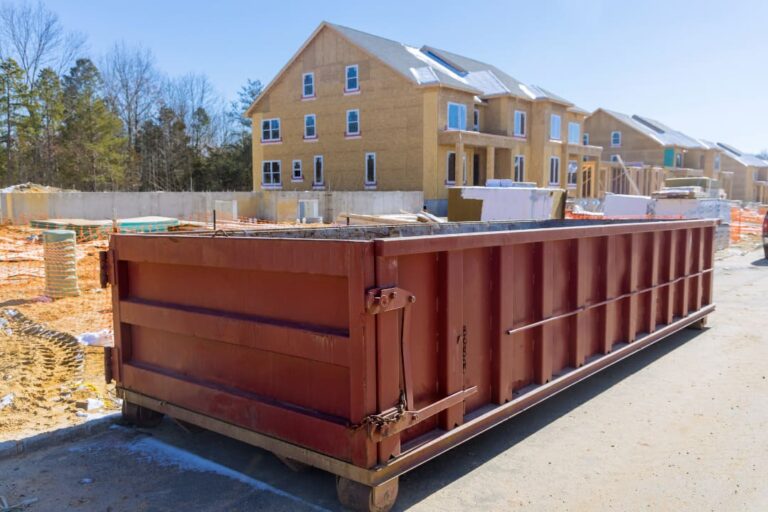
Managing large volumes of debris without a container often leads to inefficiencies. Multiple disposal trips take time, increase fuel costs, and raise the risk of improper disposal.
Professional rentals centralize cleanup into one organized system. With scheduled dumpster delivery and pickup, debris stays contained, job sites remain safer, and disposal is handled correctly.
This approach saves time, reduces labor, and keeps projects compliant.
A successful rental experience depends on working with a provider that understands both logistics and local regulations. Taconic Carting and Hauling Inc. supports residential, commercial, and construction projects with dependable waste solutions.
By guiding customers through sizing, placement, and scheduling, their team helps ensure the dumpster rental service runs smoothly from start to finish. Reliable scheduling, responsible disposal, and local expertise allow customers to focus on their projects rather than cleanup logistics.
For most residential projects, scheduling a dumpster rental a few days in advance is usually sufficient. However, larger construction projects, peak seasons, or jobs requiring street placement permits may need more lead time. Scheduling early helps ensure the correct container size is available and allows time to address placement or permit requirements if needed.
Dumpster rental services are designed to be flexible, but rental periods are typically set in advance. If a project finishes early, pickup can often be scheduled sooner. If work takes longer, extending the rental period may be possible for an additional fee. Communicating changes early helps avoid scheduling conflicts or unexpected charges.
Weight limits are especially important for roofing, concrete, or demolition debris because these materials are much heavier than household waste. Shingles, masonry, and dense materials can reach weight limits quickly, even if the container isn’t visually full. Choosing the right container size and understanding weight allowances upfront helps prevent overage fees.
In most cases, yes but with limitations. General construction debris, wood, drywall, and household materials can often be mixed together. However, hazardous materials, electronics, tires, and appliances with refrigerants must be kept out. Mixing restricted items with approved debris can result in additional fees or rejected loads.
An on-site presence is not always required, as long as placement instructions are clear and access is unobstructed. However, having someone available during delivery can help ensure the container is placed exactly where needed, especially in tight spaces or shared properties. Clear access during pickup is equally important to avoid delays.
For projects that require efficient, organized cleanup, working with a trusted provider makes all the difference. Contact Taconic Carting and Hauling Inc. to learn more about available options and schedule service that keeps your project moving forward.